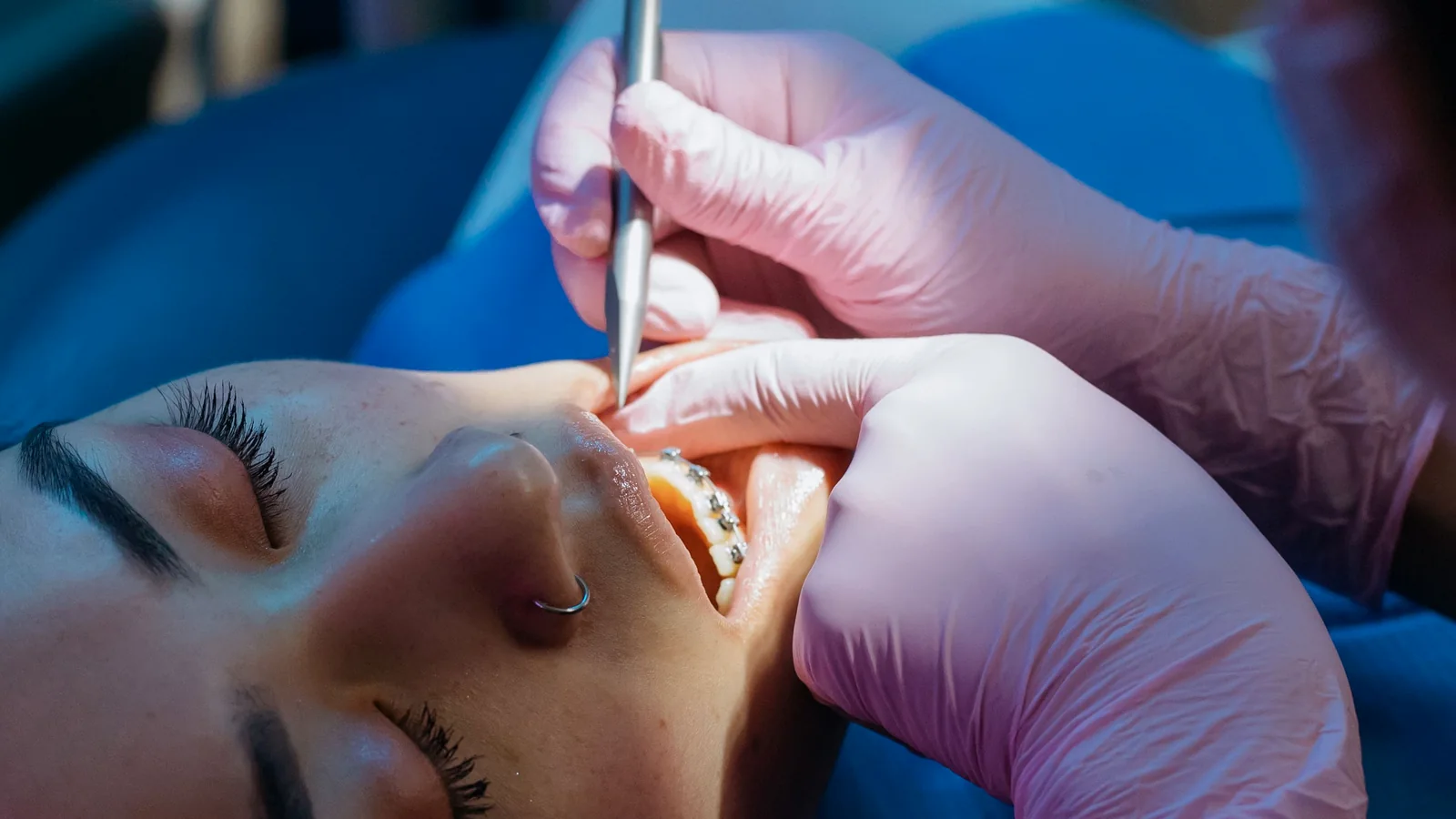

Seeing blood when you brush or floss can be worrying. It is also easy to dismiss, especially when there is no pain. However, healthy gums generally should not bleed regularly, so persistent bleeding deserves attention.
One of the most common causes is inflammation from plaque accumulating around the gumline. This early stage of gum disease is called gingivitis.
How plaque affects the gums
Plaque is a sticky film containing bacteria that continually forms on teeth. When it is not removed thoroughly, it can irritate the surrounding gum tissue.
The gums may then become:
- Red or darker than usual
- Puffy or swollen
- Tender
- Prone to bleeding during brushing or flossing
- Associated with persistent bad breath
Gingivitis caused by plaque buildup is often reversible when it is addressed early through effective home care and professional dental treatment.
Should you stop brushing or flossing?
Usually, no. Avoiding the area can allow more plaque to accumulate and may make the inflammation worse.
Continue cleaning gently but thoroughly:
- Brush twice daily with a soft-bristled toothbrush and fluoride toothpaste
- Use gentle pressure rather than scrubbing aggressively
- Clean between the teeth every day with floss or another interdental cleaner
- Replace a worn toothbrush or brush head
- Attend professional cleanings as advised
If you recently started flossing after a long break, mild bleeding may occur initially. It should improve as the gums become healthier. Bleeding that continues, worsens, or occurs without brushing should be assessed.
When should you see a dentist?
Arrange a dental appointment if bleeding is persistent or accompanied by swelling, pain, receding gums, loose teeth, pus, a change in your bite, or ongoing bad breath.
A dental examination is important because gum disease can progress beneath the gumline without causing much pain. In more advanced cases, the tissues and bone supporting the teeth can become damaged.
Early attention can make a difference
Bleeding gums are not something to feel embarrassed about. They are a common reason people seek dental advice, and addressing the cause early can help protect both your gums and teeth.
If you have noticed regular bleeding, the most useful next step is a dental examination rather than trying to diagnose the cause yourself.
Sources and further reading
- National Institute of Dental and Craniofacial Research: Periodontal (Gum) Disease
- National Institute of Dental and Craniofacial Research: Oral Hygiene
- American Dental Association: Oral Health Recommendations
This article provides general dental education and is not a substitute for personalised advice, diagnosis, or treatment from a dental professional.